Non-Alcoholic Craft Beer Essentials and Picks
Start with clear priorities: aroma fidelity, balanced bitterness, and mouthfeel that resembles its alcoholic counterparts. For shoppers in Kirkland, WA, these practical criteria help sort shelf options quickly. Key attributes to evaluate include:
- Aroma and flavor complexity that matches the style: citrus and resin in IPAs, roasted coffee in stouts, grainy noble hop notes in pilsners.
- Honest ABV labeling and full ingredient transparency, including whether a product is truly 0.0% or up to 0.5% ABV.
- Freshness handling and packaging that protects hop volatile compounds. Cans and dark bottles are preferable for hoppy NA beers.
- Brewing method clues on the label: cold limit fermentation, vacuum removal, reverse osmosis or modified yeast. These affect residual sweetness and body.
- Price relative to batch size and rarity. Small-batch NA releases command premium pricing but can still deliver superior taste.
Choose NA beers from retailers that rotate stock weekly and post best-before dates clearly. In Kirkland, seasonal demand spikes during outdoor events on Lake Washington and during Seattle Beer Week in March; that affects availability and freshness.
Types, Styles, and How They Are Made
Craft NA beers span the same stylistic spectrum as regular beer but require different technical approaches to preserve character. Traditional low alcohol brewing reduces fermentable sugars from the start. Dealcoholization removes ethanol after brewing. Biological approaches rely on yeast strain selection and tight fermentation control to limit alcohol while retaining esters.
Below is a practical comparison of common styles, typical flavor targets, representative brands, ideal serving temperature, and ABV goals. This will help with selection and pairing decisions at The Cave Craft Beer Store.
| Style | Typical Flavor Profile | Representative NA Examples | Serving Temp (°F) | Target ABV |
|---|---|---|---|---|
| IPA and Hoppy Ales | Bright citrus, resin, pine, medium bitterness | Athletic Brewing Run Wild IPA; BrewDog Punk AF | 45–50 | 0.0–0.5% |
| Stouts and Porters | Roasted coffee, dark chocolate, full body | Big Drop Galactic Milk Stout; Bravus Robust Porter | 50–55 | 0.0–0.5% |
| Lagers and Pilsners | Clean grain, noble hop spice, crisp finish | Mikkeller Drink'in the Sun; BrewDog Lost Lager NA | 40–45 | 0.0–0.5% |
| Sours and Fruited | Tart acidity, fruit forward, refreshing | Small-batch fruited releases from regional NA producers | 40–48 | 0.0–0.5% |
| Low-Calorie Session | Light body, restrained bitterness, easy finish | Athletic Upside Dawn; Partake Pale Ale | 38–45 | 0.0–0.5% |
After removal of alcohol by physical methods such as vacuum distillation, reverse osmosis, or spinning cone, brewers often adjust flavor by blending in hop extracts, roasted malts, or natural fruit concentrates. Biological methods reduce alcohol formation by using non fermentable sugars or specialized yeasts. Recarbonation and precise filtration restore effervescence and clarity after processing.
Top Producers, Flagship Releases, and Tasting Protocols
Several craft producers lead the NA shelf. Athletic Brewing Company from Connecticut is notable for Run Wild IPA and Upside Dawn Golden Ale. WellBeing Brewing Co. offers a widely available golden wheat. Partake Brewing, a Canadian founder brand, is known for a low-calorie pale ale profile. Big Drop from the UK produces bold stouts, while BrewDog markets Punk AF and Nanny State among NA offerings. Mikkeller’s alcohol-free range focuses on creative flavor combinations.
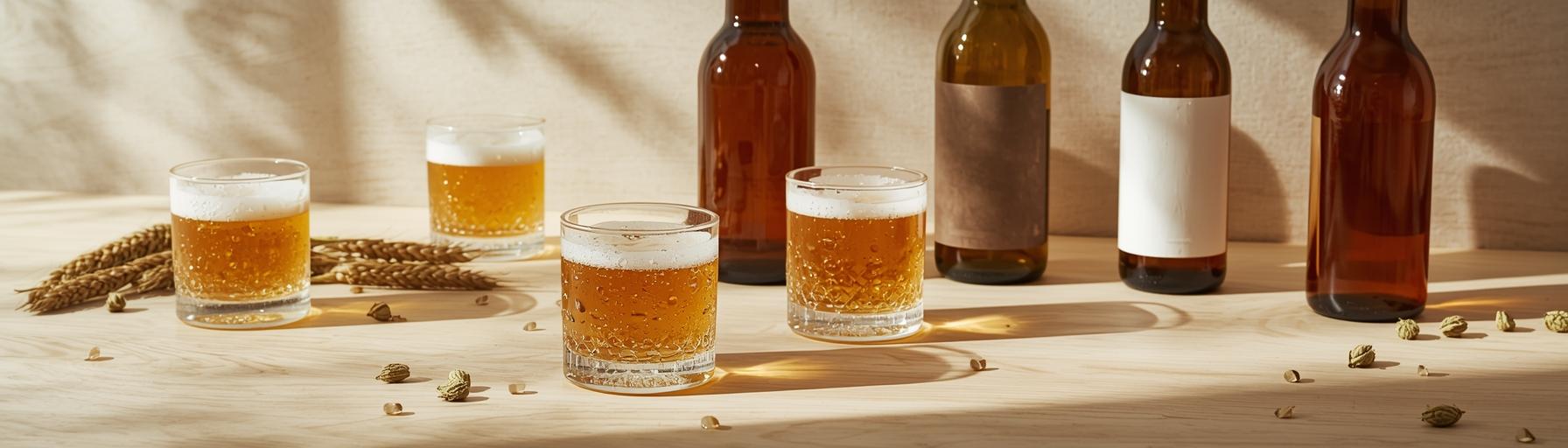
Conduct tastings with a consistent protocol. Use small pours at proper temperatures and evaluate on aroma, flavor, mouthfeel, and finish. A practical scoring approach: aroma 25 points, flavor 35, mouthfeel 25, finish 15. Arrange a flight of four, grouping by style to reduce palate fatigue and to reveal how well NA techniques preserved original character.
Recommended descriptors include bright, resinous, toasted, biscuity, creamy, astringent, fruity ester, and thin or full-bodied. Capture carbonation level and any off-notes such as metallic or cooked-sugar sweetness, which indicate processing artifacts.
Where to Buy in Kirkland and How The Cave Curates Selection
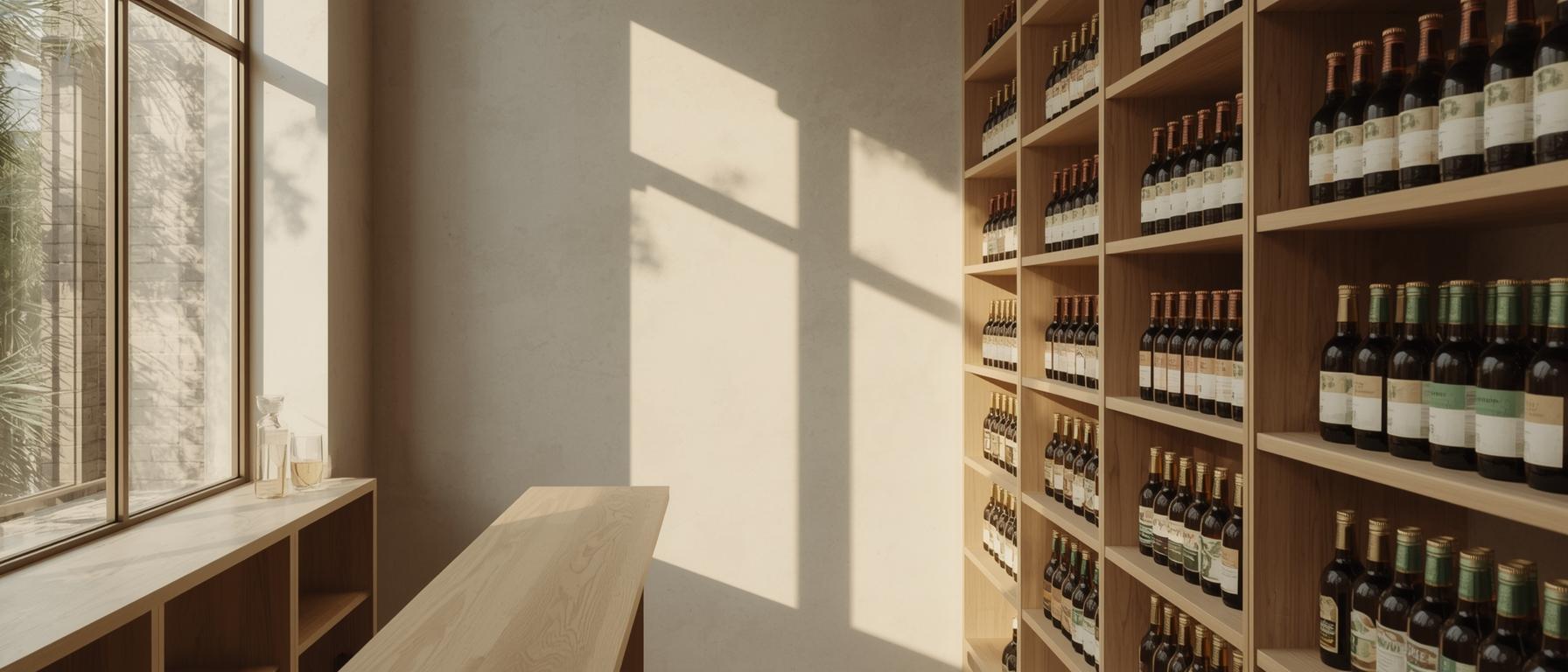
The Cave Craft Beer Store in Kirkland emphasizes freshness and variety. Selection highlights include rotating taps of local NA kegs, a curated shelf of national and international NA craft labels, and a cold room for hop-forward releases. The store works directly with regional distributors in Washington and with small-batch NA producers to secure limited runs. Seasonal festivals in the Seattle area and relationships with importing partners help source fruited and experimental releases.
Ordering options include walk-in purchases, online pre-orders for limited releases, and subscription-style pick-ups for frequent buyers. For release drops, pre-order windows and bottle holds are common during high-demand periods such as late spring when outdoor gatherings increase.
Serving, Storage, Label Reading, Health, and Sustainability Notes
Serve ales a few degrees warmer than lagers. Use tulip or IPA glasses for aromatic varieties and a pint or snifter for stouts. Store cans in cool, dark conditions and prioritize first-in, first-out rotation to preserve hop character. Labels in the United States commonly allow up to 0.5% ABV to be marketed as non alcoholic; look for explicit 0.0% claims if zero ethanol is required. Ingredient lists and nutrition panels reveal calories, sugars, and possible adjuncts such as lactose or fruit concentrates.
For dietary needs, many producers now offer gluten reduced or gluten free NA beers and lower calorie options. Pregnant consumers and those in recovery should consult medical guidance; beverages up to 0.5% ABV can still contain measurable ethanol. Sustainable practices vary: look for brewers disclosing water use, energy reduction in dealcoholization processes, and recyclable packaging.
Buying, Budgeting, Events, and Trends
Expect typical retail prices in Kirkland to range from value six-packs around $9–$14 to specialty cans and limited releases at $4–$8 each. Subscription picks and mixed packs stretch sampling across styles affordably. Host a tasting night with themed flights, scoring cards, and simple pairings: hoppy NA ales with grilled meats, stouts with chocolate desserts, and clean lagers with shellfish.
Market momentum shows continued innovation in yeast-driven flavor retention and collaborations between craft breweries and NA specialists. The Cave continues to expand its NA program to meet rising local demand and to support inclusive social gatherings where flavor and presence matter without alcohol.